

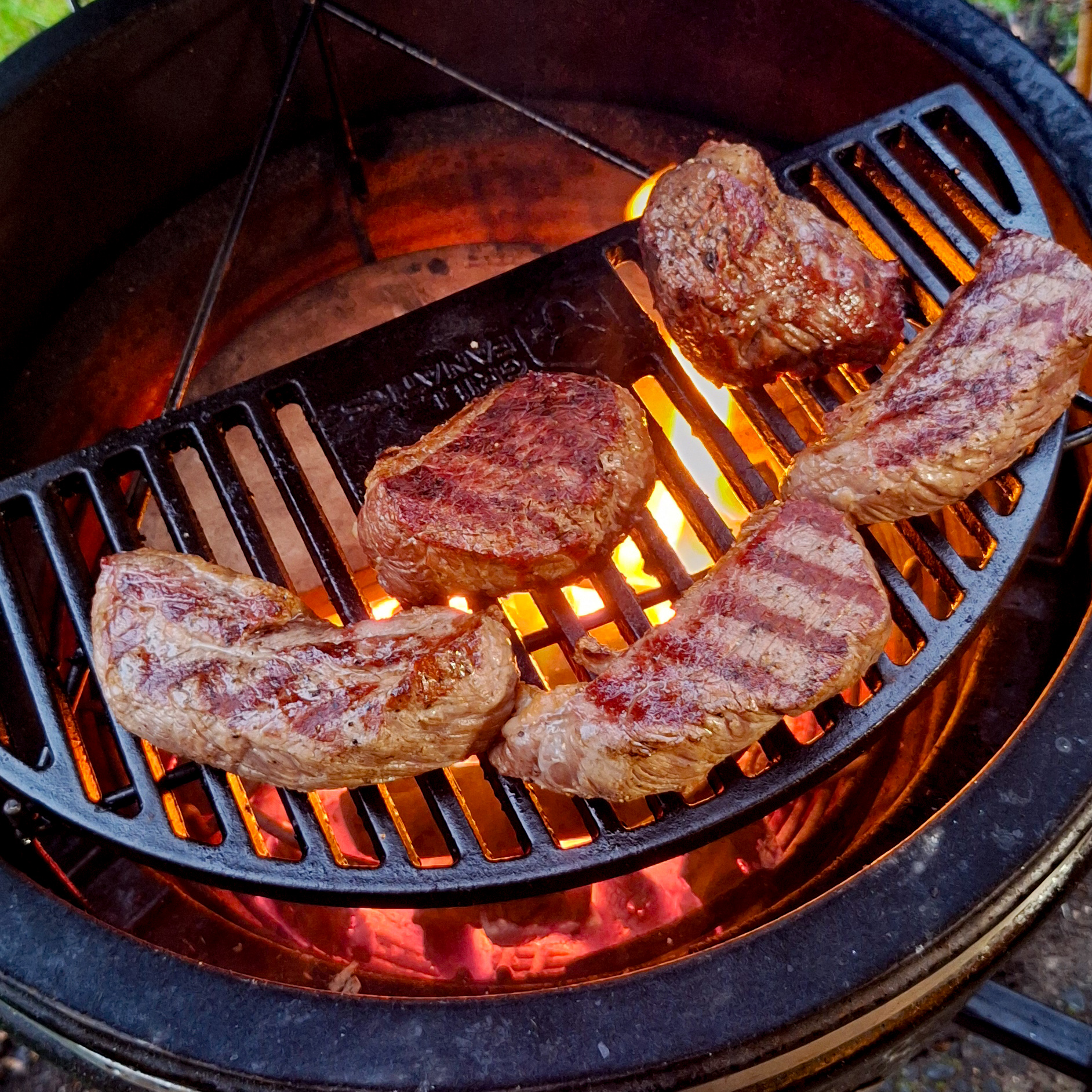
How to choose the right grilling technique for your steak

Understand the difference in texture, flavour and control
Grilling a steak seems simple: heat, grill, done. But how you apply that heat makes all the difference. Direct grilling, reverse searing and caveman style aren’t just passing fads; they are three fundamentally different ways of applying heat to meat. Heat determines the final texture, the juiciness and the depth of flavour development.

Once you understand what heat does to your meat, you’ll grill differently. You’ll make more informed choices:

  • when to use high heat
  • when to take it easier
  • and which technique (such as direct or reverse sear) works best

And that’s precisely the difference between ‘just grilling’ and truly having control over your BBQ. That’s why we’re explaining this briefly.

As soon as you place the meat on the barbecue, several things happen at once:

  • The meat becomes firmer as the proteins cook
  • The moisture inside the meat starts to move
  • A crust forms on the outside, and that’s where most of the flavour is

That crust is created by high heat. But how quickly that heat penetrates the meat determines the result.

Is it too fast? Then you’ll end up with a tough exterior and a grey, dry edge on the inside. If you manage to control this, your steak will remain juicy and beautifully even on the inside.

Now that you understand what heat does to your meat, you know when to turn up the heat and when to ease off. And that’s exactly where the different grilling techniques come into play.

Whether you choose:

  • direct grilling (right over the fire)
  • reverse sear (eerst rustig, dan heet)
  • or caveman style (directly over the charcoal)

With these techniques, you’re always working with the same factors: heat, speed and control.
And that ultimately determines whether your steak is good… or really good.

Direct Grilling: Maximum heat, quick results
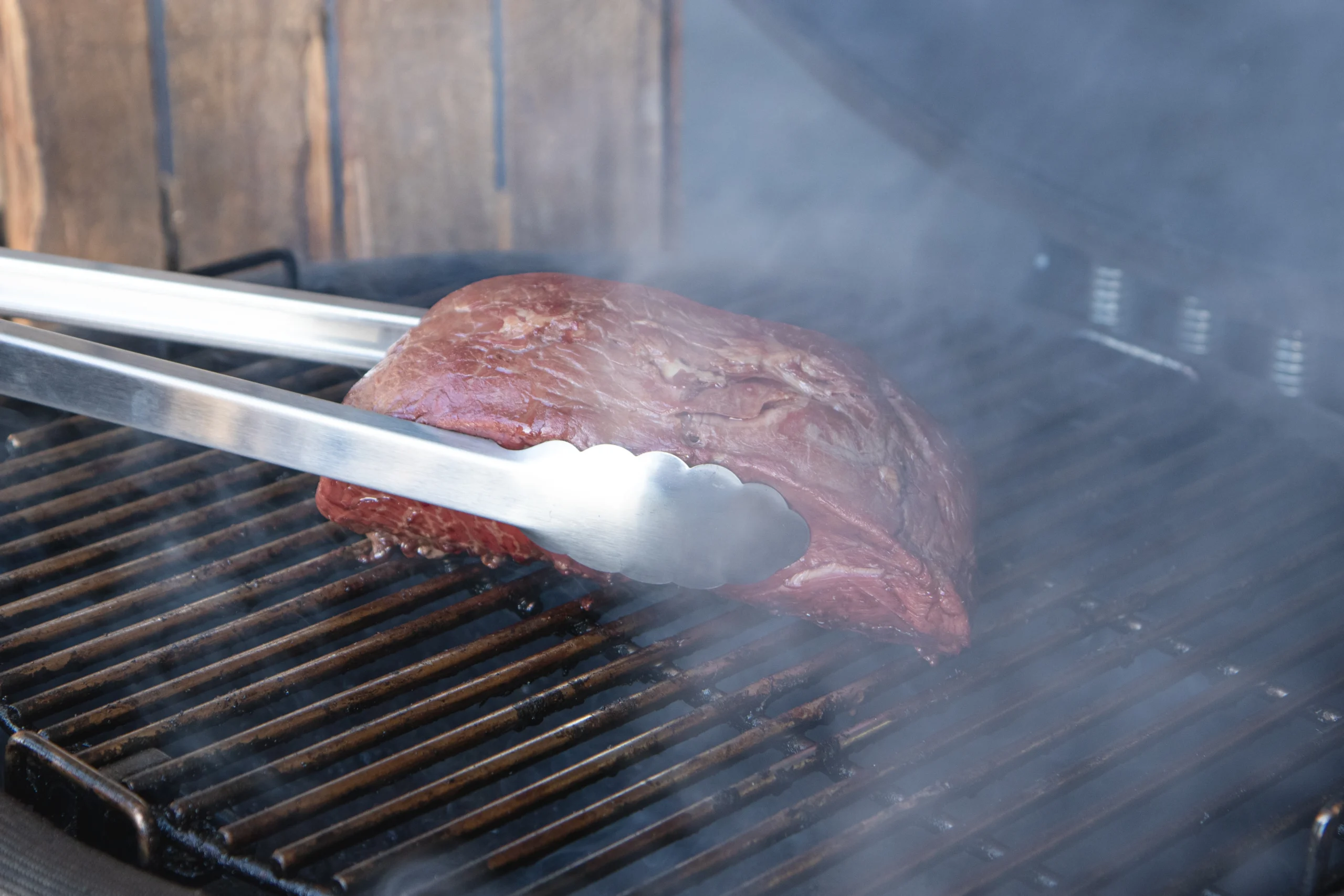
Direct grilling involves placing the meat directly over the hot coals.

Use direct grilling for thinner steaks, burgers and meat up to about 2.5 cm thick. The high, direct heat quickly creates a lovely, flavourful crust, but that same heat also penetrates the meat rapidly. With thicker cuts of meat, this means the outside is already well cooked, whilst you end up with a grey edge beneath the crust.

Our tip: Be patient. Leave the meat until it comes away from the grill of its own accord. If you turn it too soon, you won’t get a good crust.

Reverse Sear: Control first, power second

Reverse sear means you first cook your steak gently away from the heat (indirectly) until it’s almost at the desired doneness, and only then place it briefly over high heat to get a nice crust. This way, the meat cooks evenly and stays juicy on the inside, without a grey edge, whilst still giving you that crispy exterior.

Don’t forget: Always use a digital thermometer. Remove the steak from the BBQ when the core temperature reaches 45°C, let it rest for a moment, and only then crank your grill up to 250°C+ for the final sear.

Caveman Style: Pure direct heat

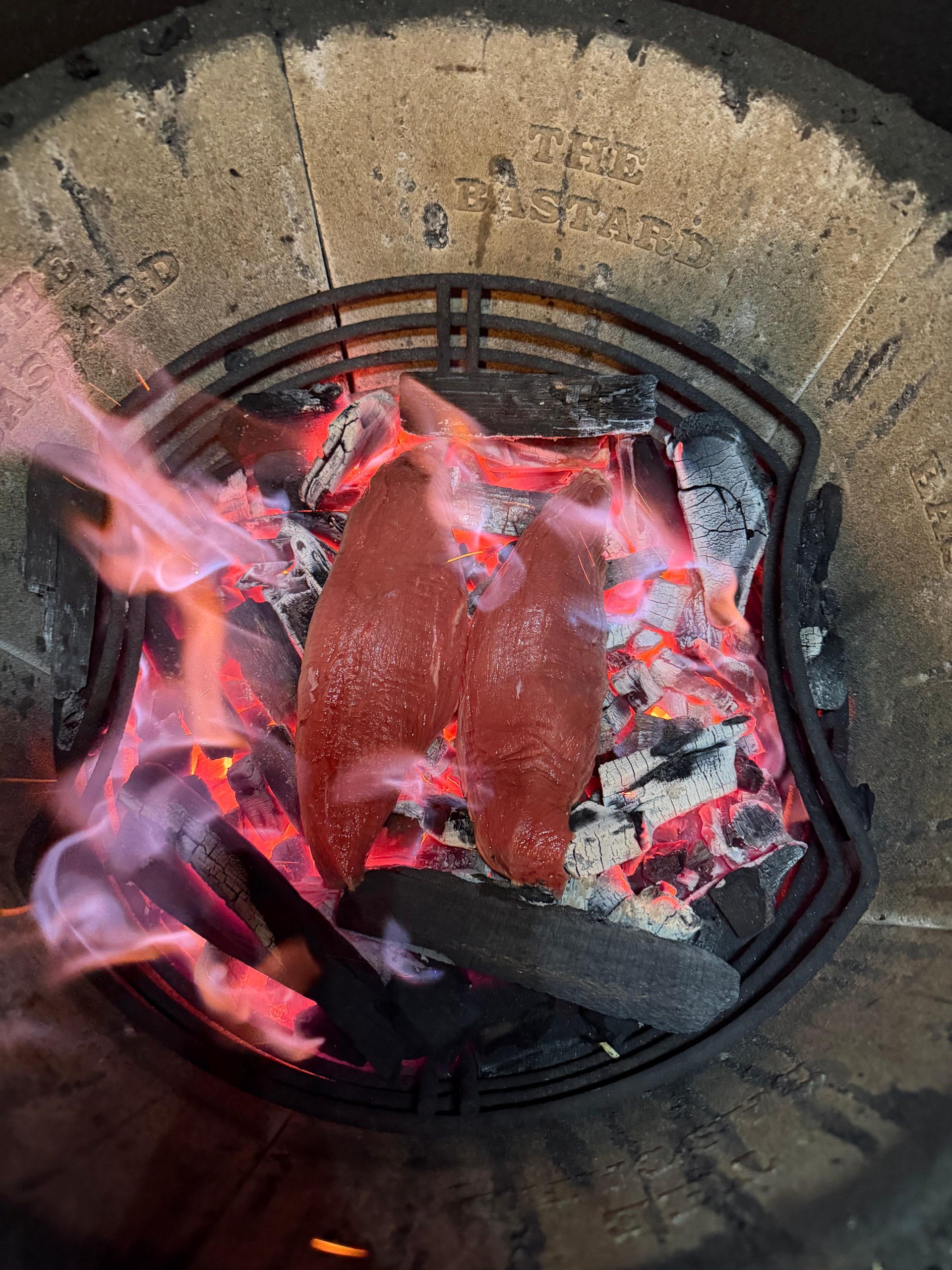
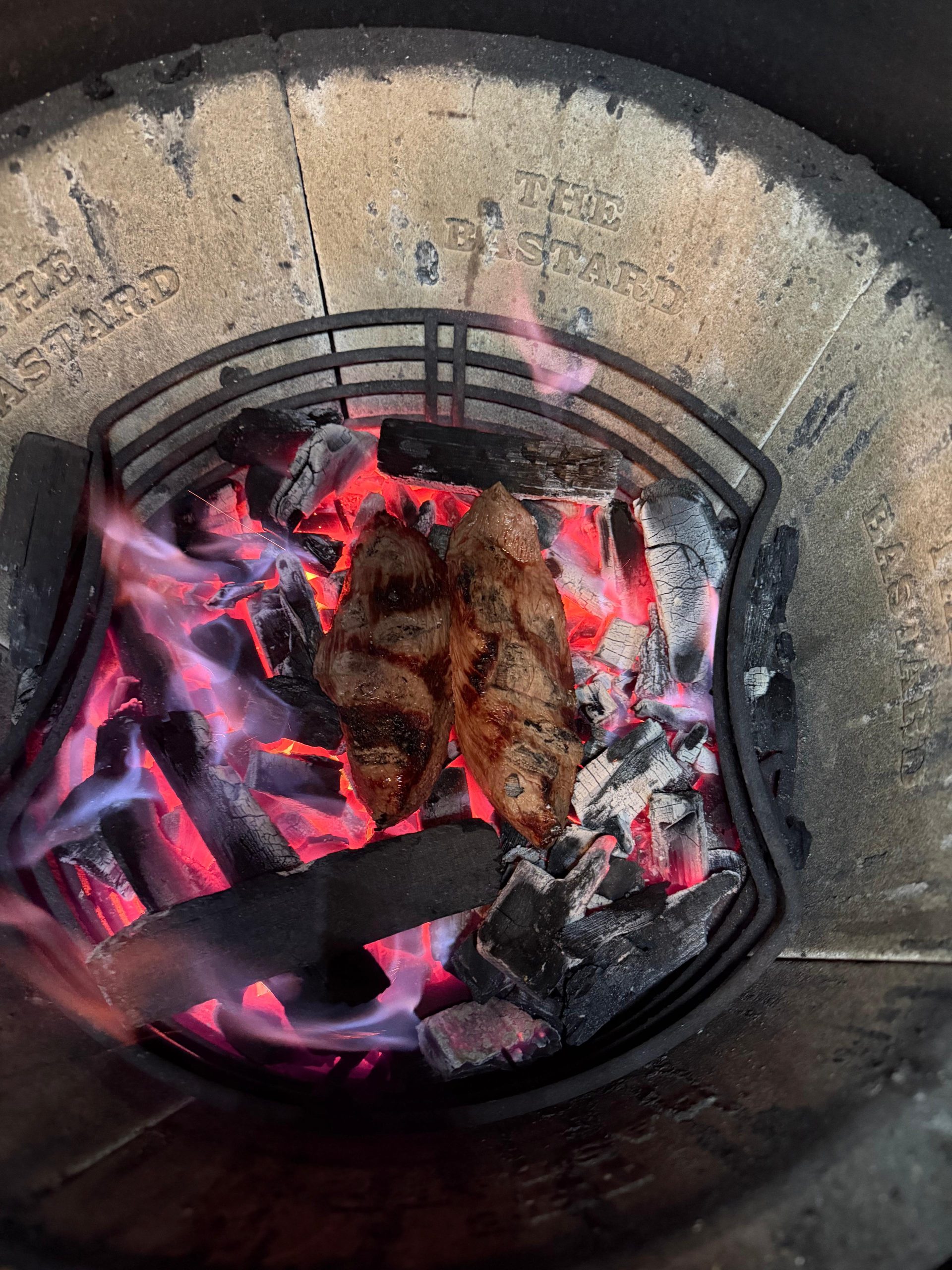
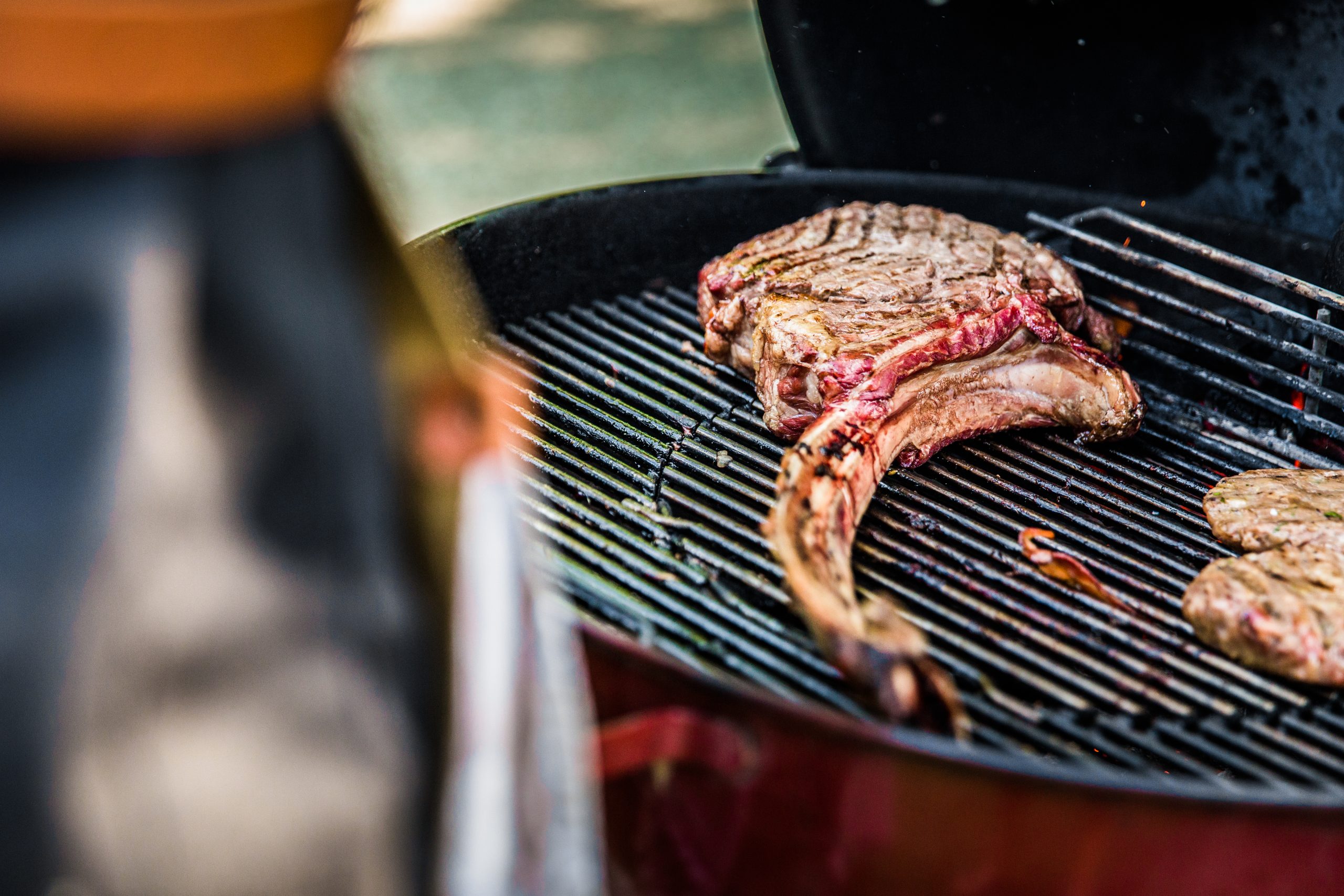
Use the Caveman style for thick, robust cuts of meat such as a côte de boeuf. Place the meat directly on the glowing charcoal, without a grill rack. This extreme heat creates an intense, flavourful crust in no time at all, whilst the inside remains beautifully juicy.

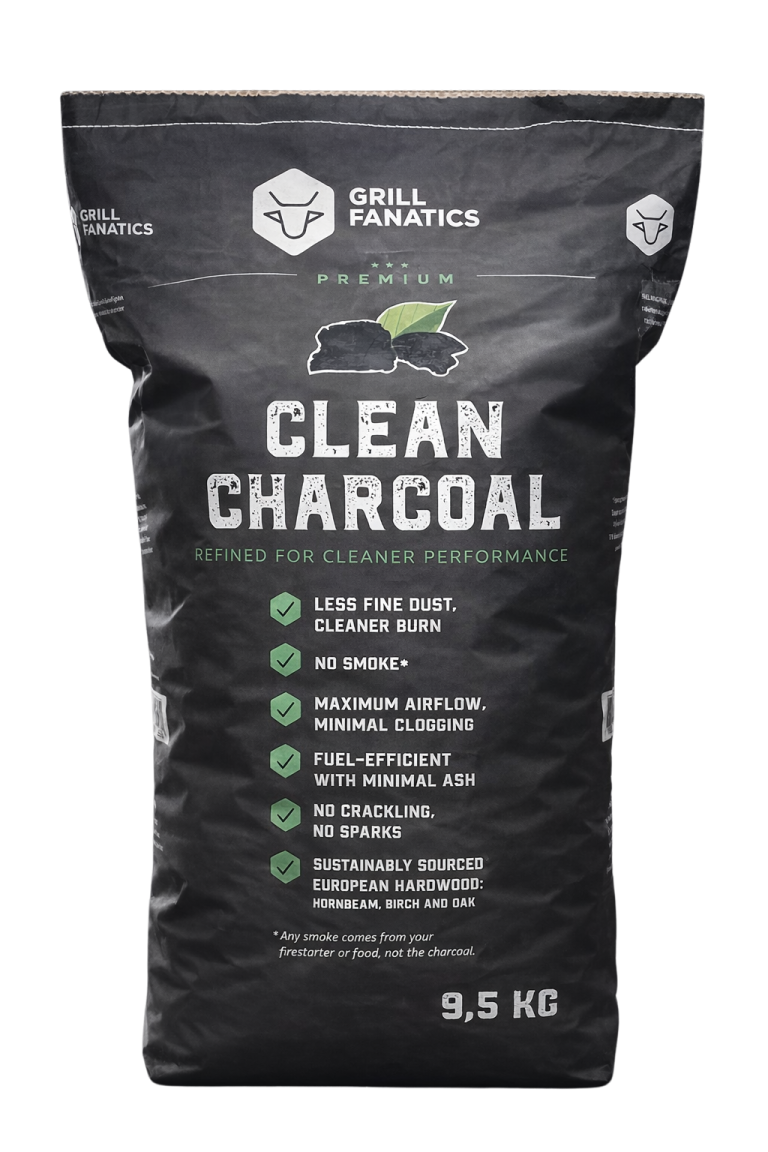
Important: Use only ‘Restaurant Grade’ charcoal. Blow the loose ash off the coals before placing the meat on them and avoid marinated meat; the marinade burns immediately and gives a bitter taste.

Inspiration: Fancy giving this technique a go? Then try a diamond tenderloin. A delicious cut of tender meat, not too expensive. So if it doesn’t quite work out, you won’t have wasted a fortune on meat.

Veelgemaakte fouten om te vermijden
  • Turning the meat too early
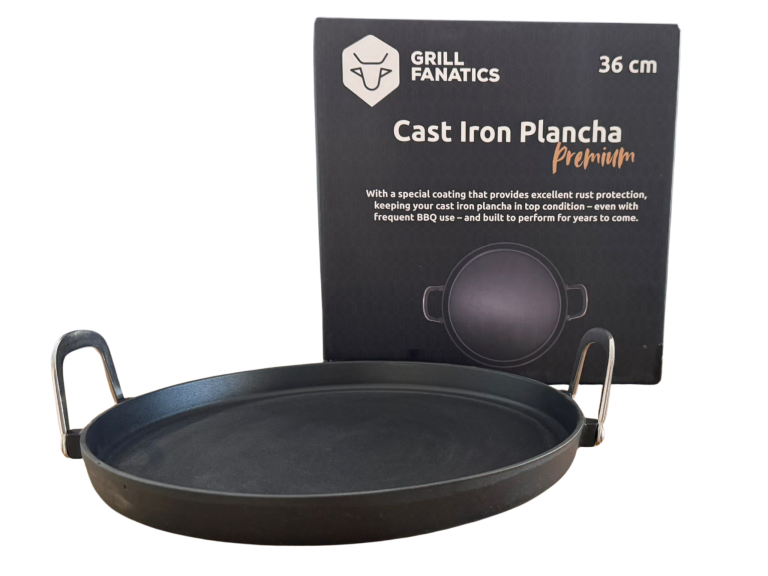
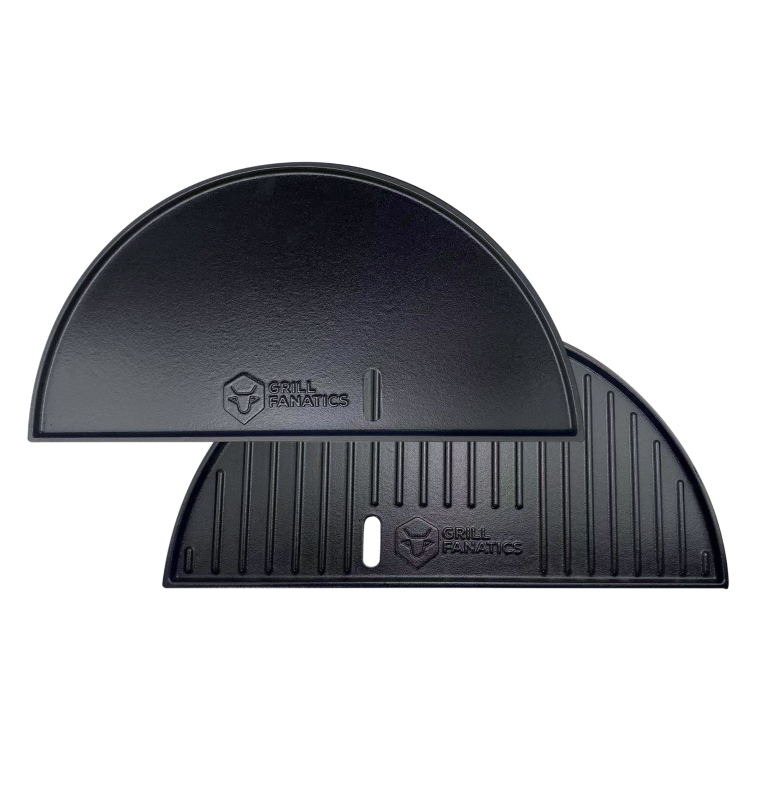
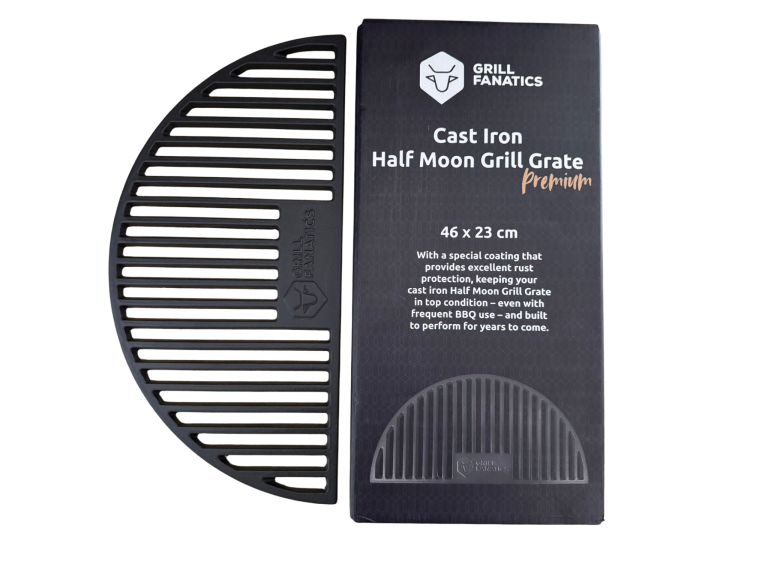
    Turning the meat too soon results in a poor crust and less flavour. Use a cast-iron grill grate or plancha. These retain heat better, allowing the crust to form more quickly and evenly, and the meat to release from the grate naturally.
  • Unstable temperature / Incorrect charcoal
    A reverse sear stands or falls on a stable temperature, and with caveman style, the quality of your charcoal is crucial. Fluctuations or contaminated fuel result in unevenly cooked meat and unwanted flavours. You should therefore use Restaurant Grade charcoal. This burns steadily, hot and clean, allowing you to keep your indirect zone under control whilst also enabling safe and flavourful direct (or even caveman-style) grilling. Combine this with a good setup, such as a plate setter, for maximum control.
  • Too much smoke at high heat
    When searing, smoking wood usually doesn’t add extra flavour, but rather bitterness due to the high temperature. If you still want to add extra flavour with smoking wood, only do so during the indirect phase of your cooking, the first part of a reverse sear. If you want to know which flavours of smoking wood go well with a steak, read about it in this blog.
    When grilling directly or using the caveman style, rely purely on the heat of your charcoal and leave out the smoking wood for the best results.

Ga vooral lekker proberen! Zo ga je de verschillende bereidingswijze met de daarbij behorende smaak zelf ervaren. Succes

Must-haves for grilling a steak!