The Ultimate BBQ Easter Lamb: How to achieve the perfect pink centre using the reverse sear method
Easter and lamb are inextricably linked. But forget those standard lamb chops that turn grey and tough within three minutes. For the true barbecue enthusiast, Easter is the perfect time to let a whole leg of lamb (on the bone) or a double rack of lamb take centre stage.
At Grill Fanatics, we don’t believe in luck; we believe in temperature control. That’s why, in this blog, we’re taking an in-depth look at the Reverse Sear method. Why? Because we want that perfect, even pink colour from edge to edge, without those dreaded grey edges.
Why use reverse sear for lamb?
- Even cooking: You avoid those unsightly grey edges. Your meat turns out perfectly pink all the way through, from the outside right to the centre.
- Tender results: By heating the meat very slowly, it has time to relax. This ensures that the juices remain inside the meat rather than being ‘squeezed’ out by the heat.
- The ultimate crust: As the outside dries out slightly during the slow cooking process, the final sear (the finishing grill) creates that amazing, crispy crust we’re all after much more quickly.
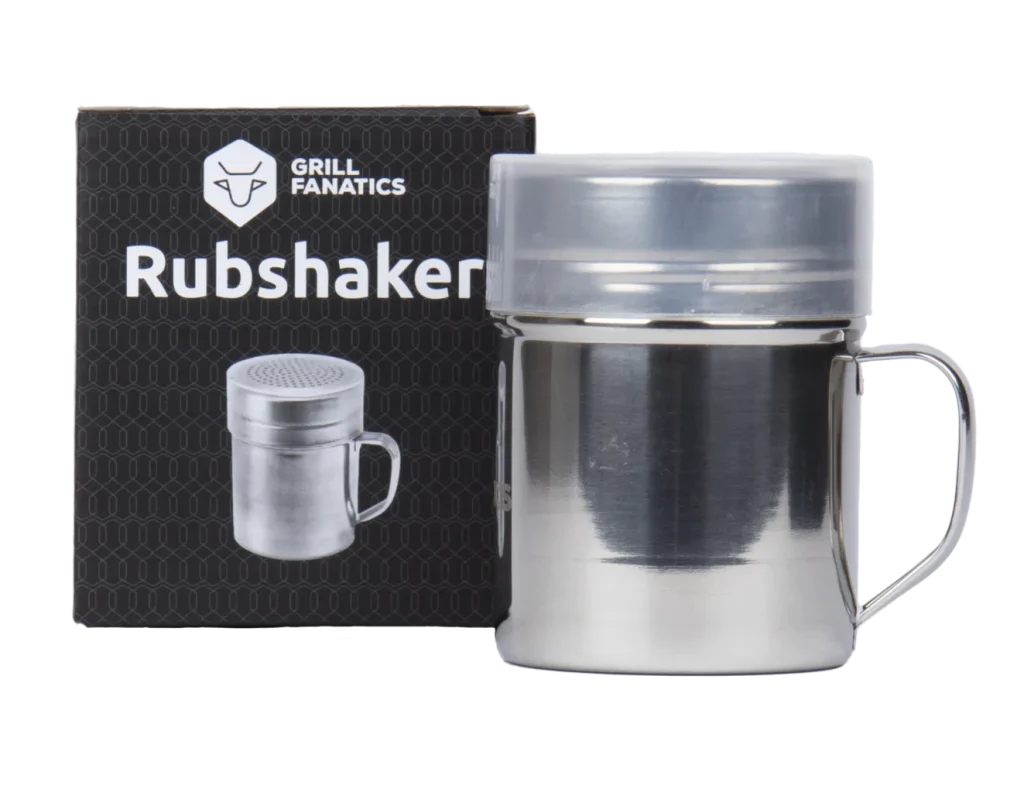
Preparation: Trimming & Rub
The session: step by step to 52°C
1. The setup
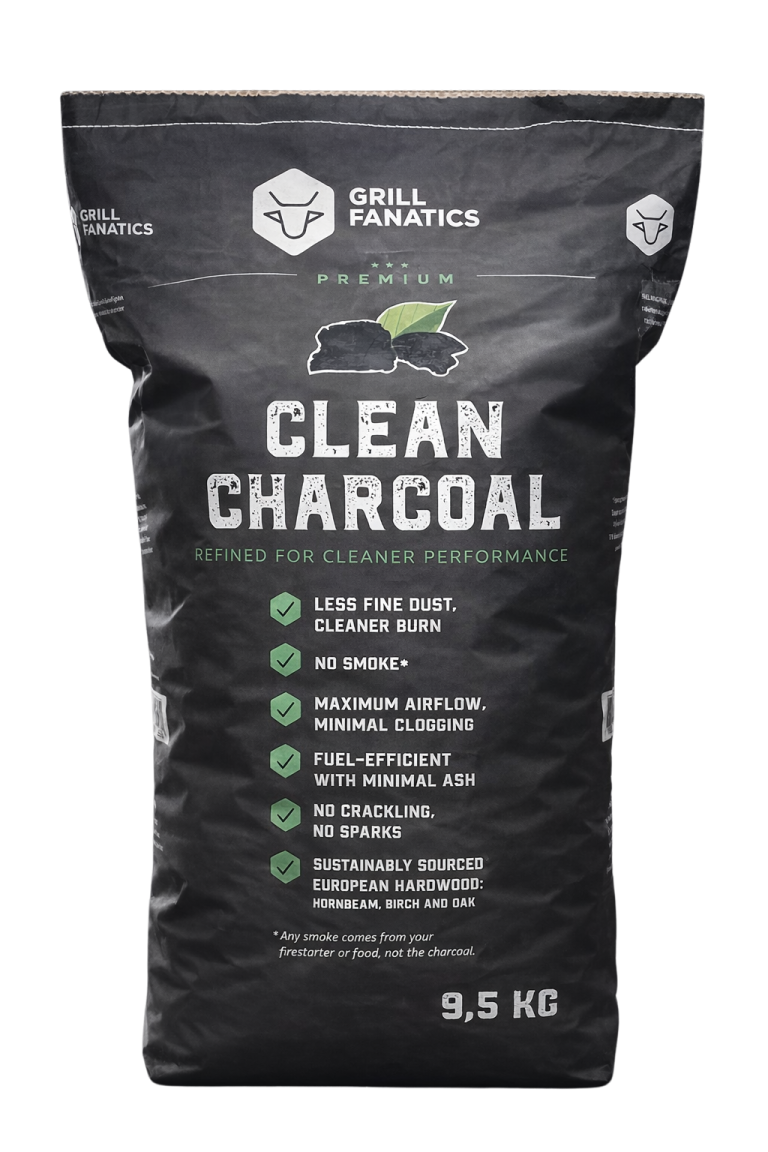
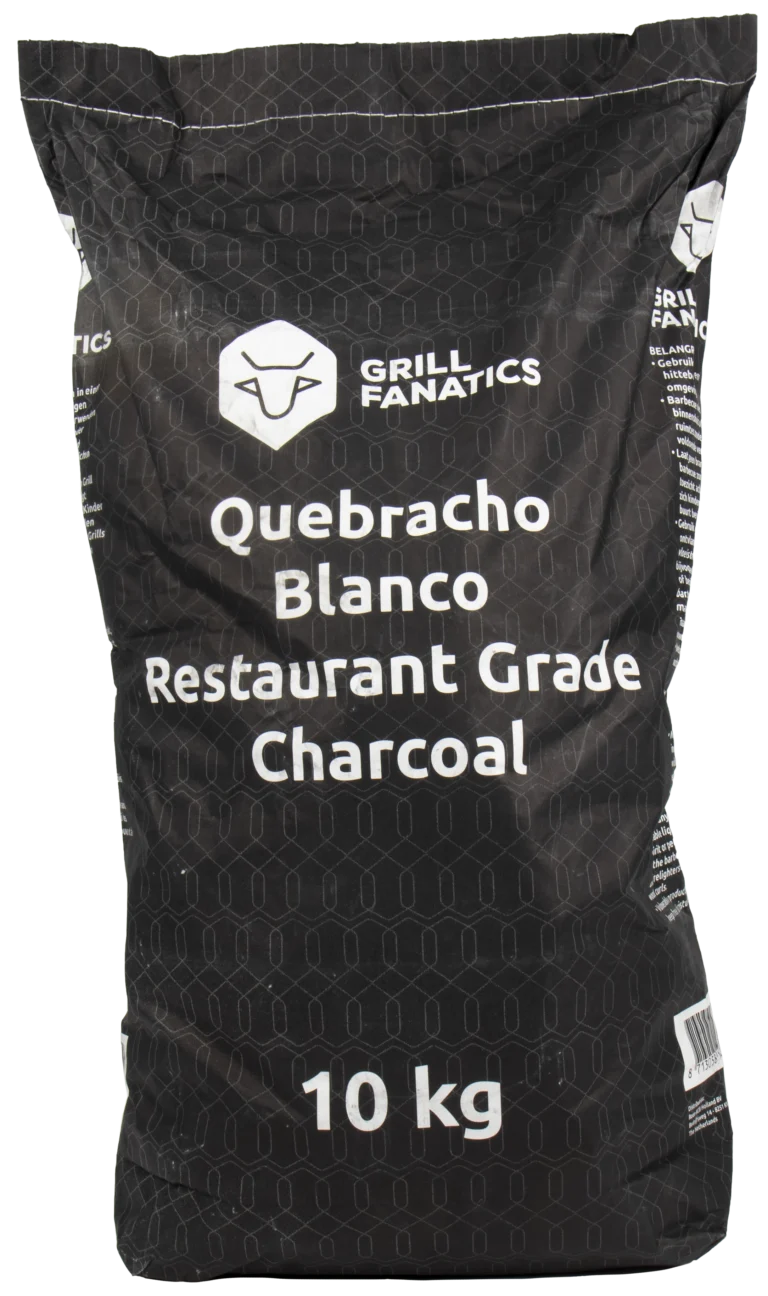
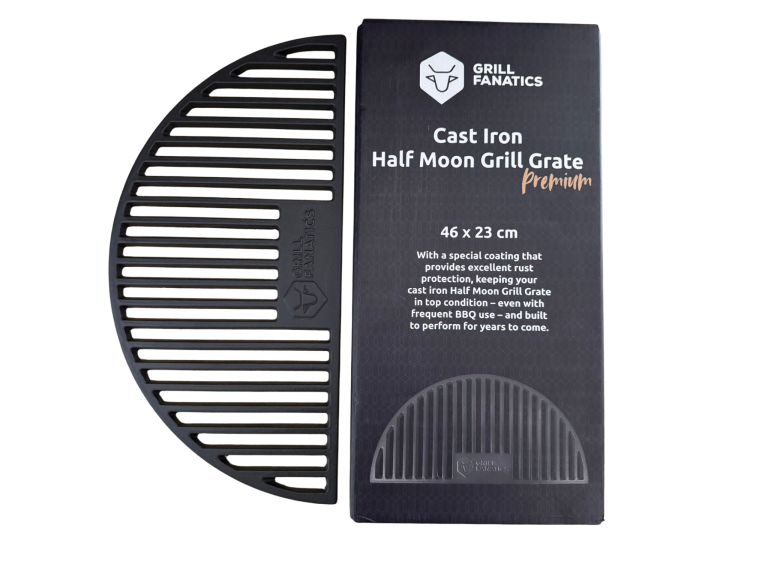
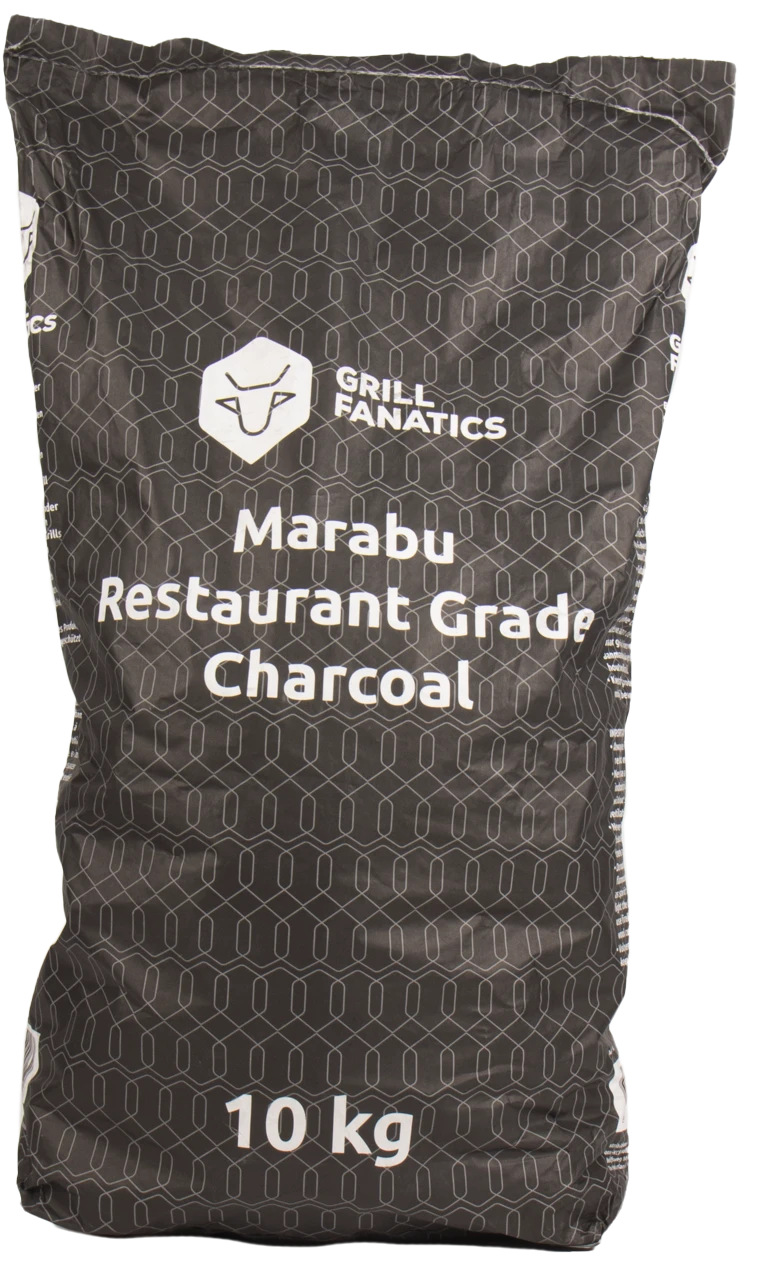
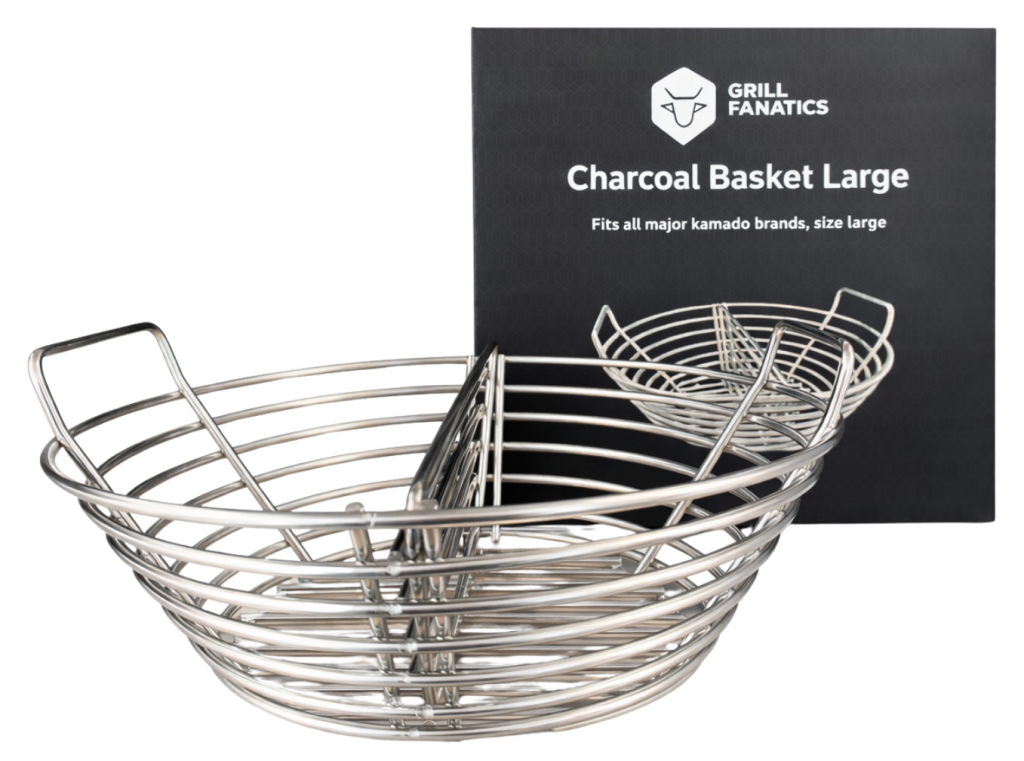
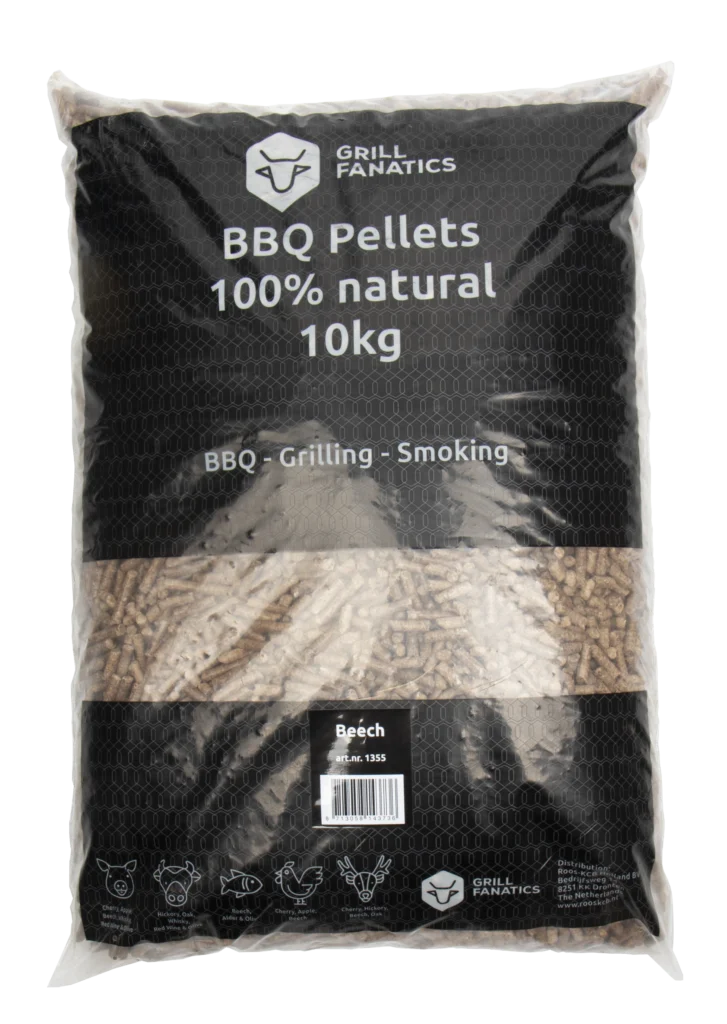
Set up your kamado for an indirect cooking session. Use a plate setter to create different zones on your BBQ. A good cast-iron grate works particularly well with a large cut of meat like this. We aim for a stable temperature of 110°C to 120°C. Use high-quality charcoal for a consistent burn time. Quebracho, Marabu and Clean Charcoal are ideal for this.
2. Smoky flavour: choose your wood
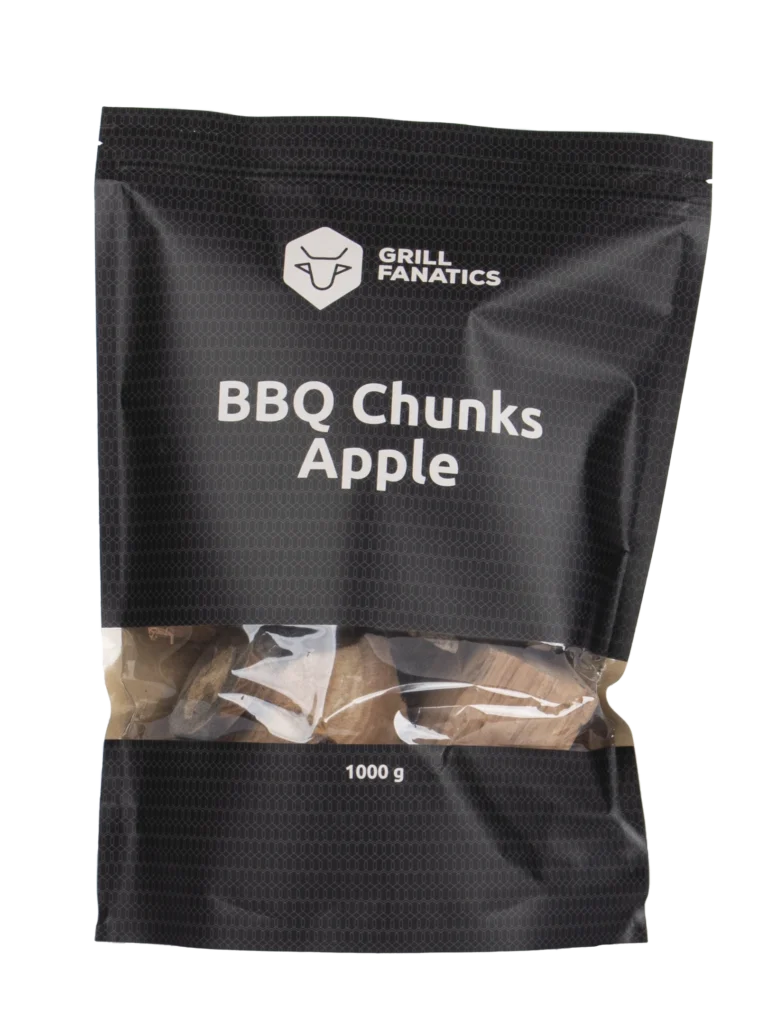
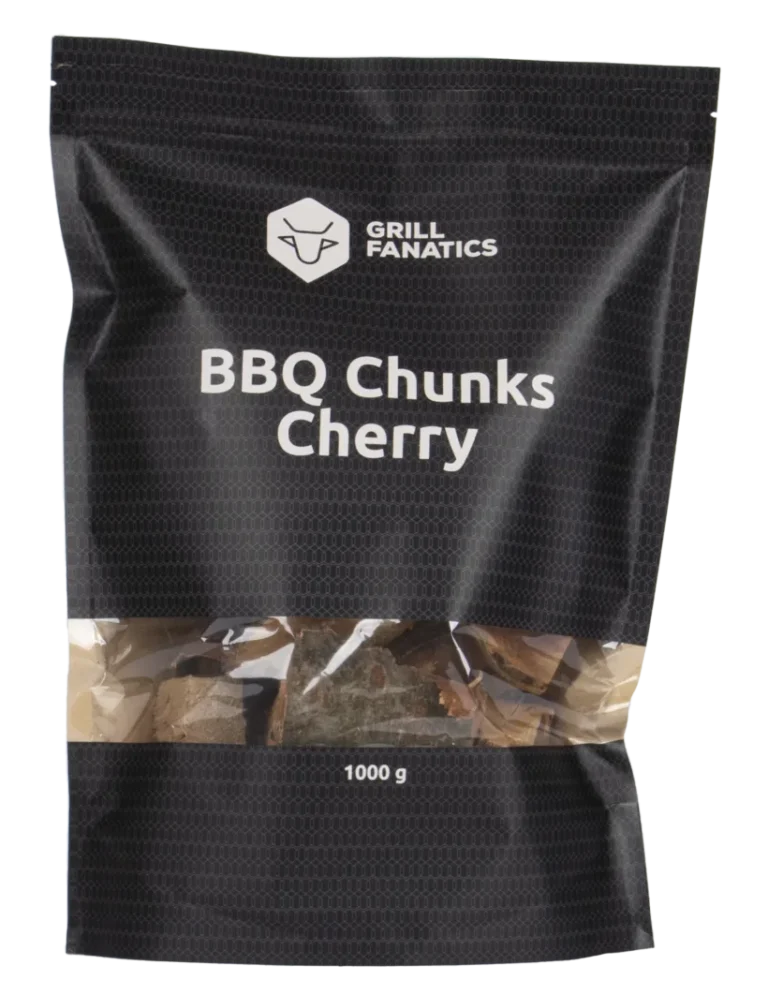
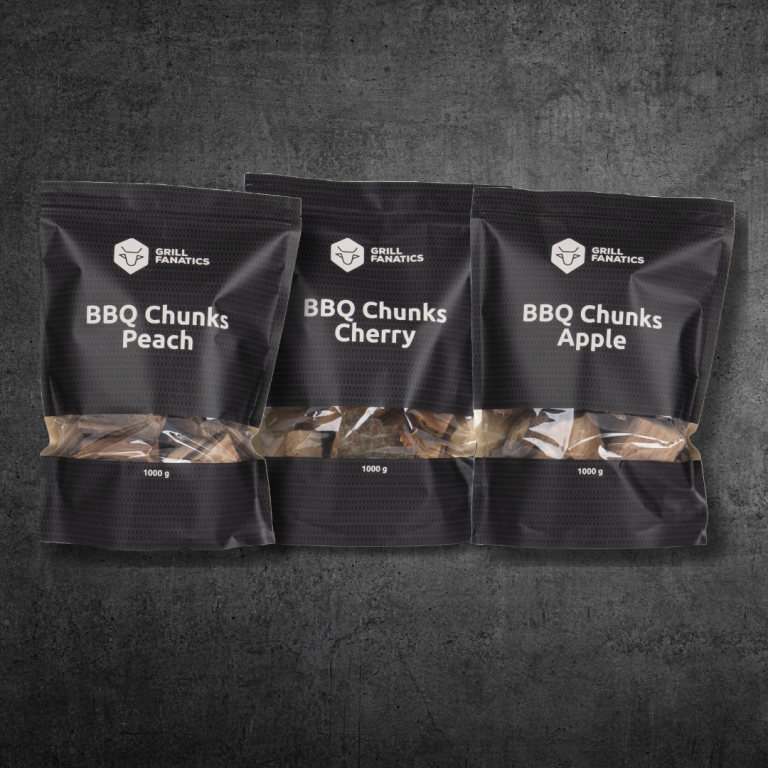
Lamb is delicate, so steer clear of strong-flavoured woods like hickory or mesquite. Opt for cherry or apple wood instead. This imparts a mild, sweet smoky flavour and also gives the meat a beautiful deep red colour on the outside. Add no more than 2–3 chunks, otherwise it will be too much. Would you like to know more about using smoking wood and which flavours go with what? Then read this blog.
3. The low & slow phase
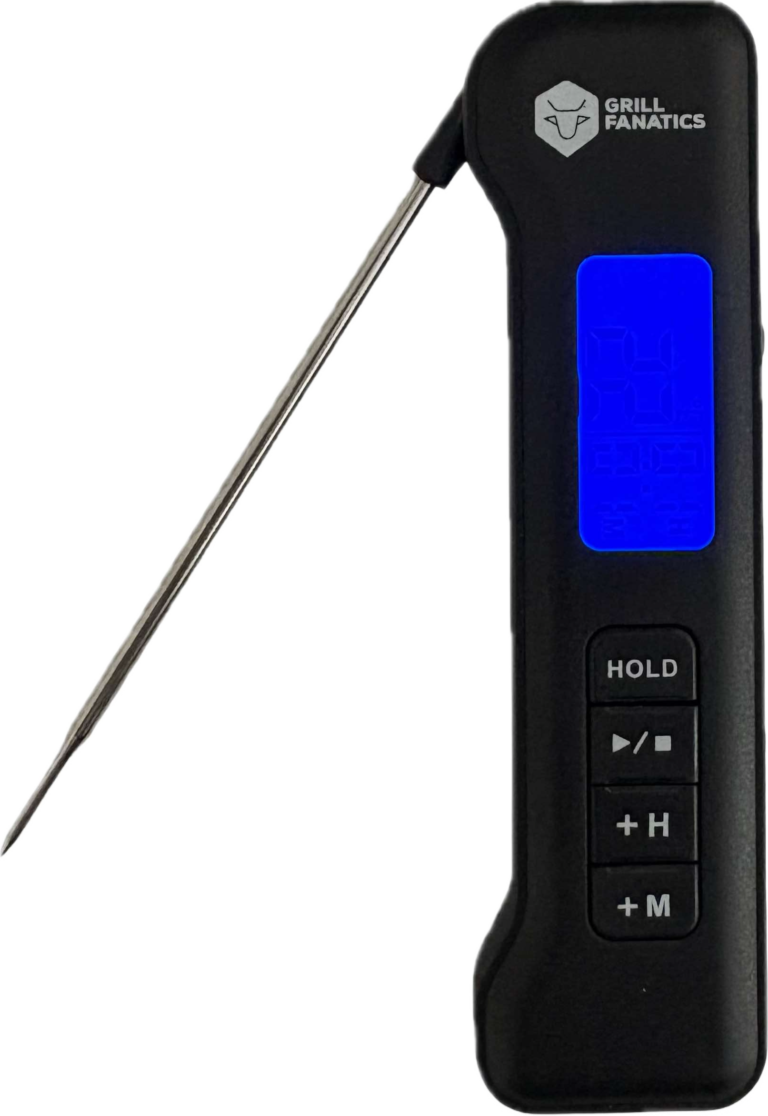
Place the leg of lamb on the grill and insert your meat thermometer into the thickest part (avoid the bone!). We cook the meat indirectly until it reaches a core temperature of 47°C to 48°C. Depending on the weight, this takes approximately 1.5 to 2.5 hours.
4. The rest period (Crucial!)
Remove the meat from the barbecue as soon as it reaches 47°C to 48°C. Place it loosely under aluminium foil or butcher’s paper. While the meat is resting, open all the vents on your barbecue. We now need intense, direct heat (250°C+).
5. The finale sear
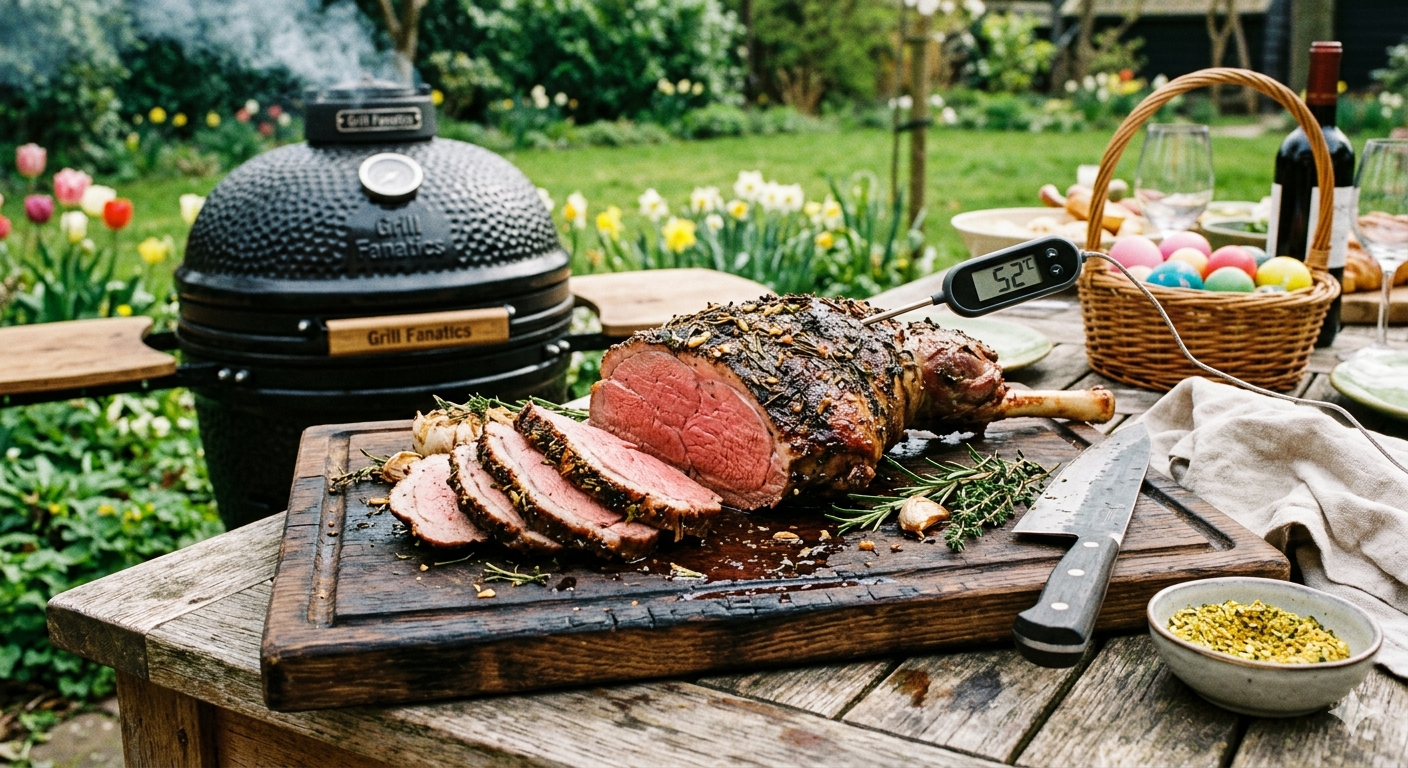
Now grill the leg of lamb directly over the coals, i.e. on the side where you haven’t placed your plate setter. Turn it every 30 seconds. We’re aiming for that deep brown crust. Remove the meat when it reaches a core temperature of 52°C (medium-rare). As it rests, the temperature will rise further to the perfect 54°C to 55°C.
Tips Dennis Werner from Grill Fanatics :
Use a drip tray: Personally, during the indirect cooking phase, I place a drip pan with a little water or red wine under the meat. This keeps the humidity high and catches the fat, preventing the smoke from becoming bitter due to burnt fat on the heat deflector.
To measure is to know: don’t rely on your gut feeling or a ‘hand check’. An accurate digital thermometer really is your best friend here. It’s a fine line: just one degree too high and the characteristic flavour turns ‘greasy’. And you don’t want that, believe me!